
On Page SEO Tips
Focus on on-page SEO basics: align content with user intent, optimise titles, meta descriptions, and headings, and structure pages for easy scanning.
Use targeted keywords, internal links, and optimised images. Small improvements to clarity, speed, and organisation compound over time, boosting rankings, engagement, and conversions without major site changes.
How to Create a Topical Cluster for SEO
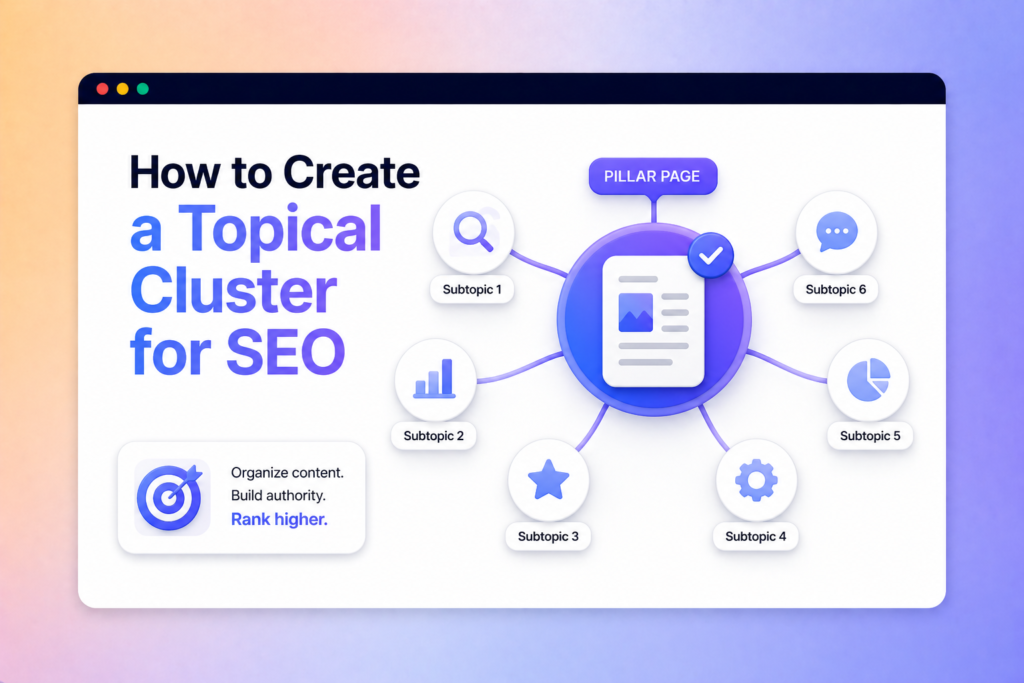
A topical cluster improves SEO by organising content around a central pillar page supported by focused subtopic pages.
Strong clusters use clear keyword mapping, distinct search intent, and strategic internal linking to build topical authority, avoid cannibalisation, and improve user navigation.
Ongoing audits, performance tracking, and updates keep clusters competitive over time.
Local SEO In 2026: Strategies For Sustainable Growth
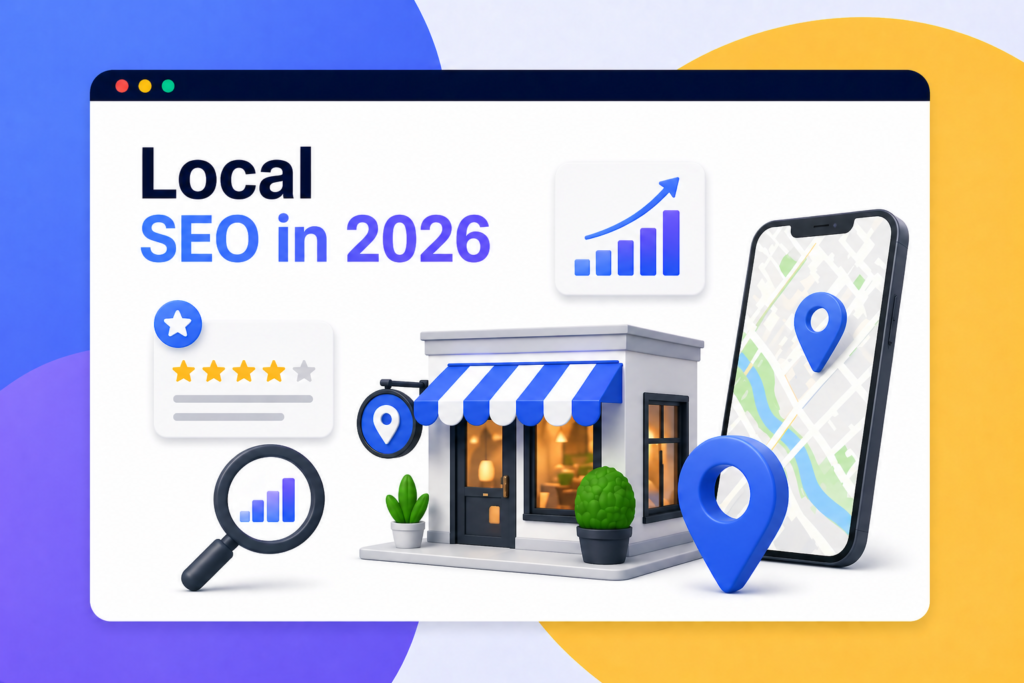
Local SEO in 2026 requires precise optimisation of your Google Business Profile, consistent business data, and a steady flow of high-quality reviews. Success depends on strong local signals, hyperlocal content, and mobile-first performance.
Adapting to AI-driven search, tracking real conversions, and maintaining accurate, trustworthy information are essential for sustained visibility and growth.
How To Do Keyword Research For Google Ads
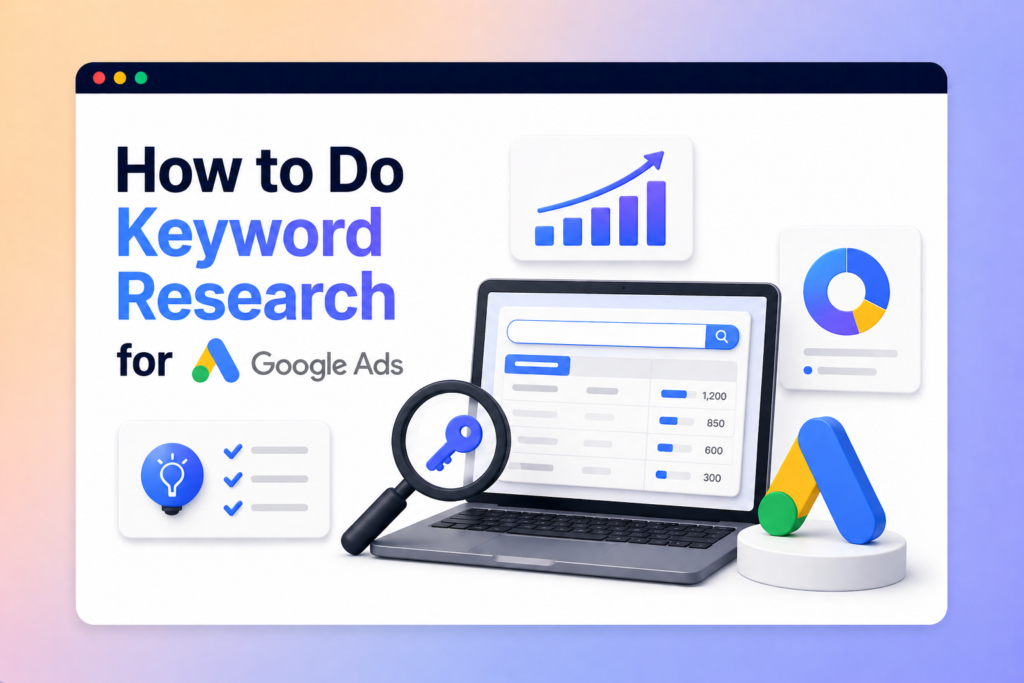
Define clear campaign goals, then brainstorm seed keywords based on your products and audience intent.
Use Google Keyword Planner and tools like Ahrefs or SEMrush to expand ideas. Filter by volume, CPC, competition, and intent.
Organise keywords into tight ad groups, apply match types, add negative keywords, align ads with landing pages, and refine continuously using search term data.
Actionable E-commerce SEO Tips
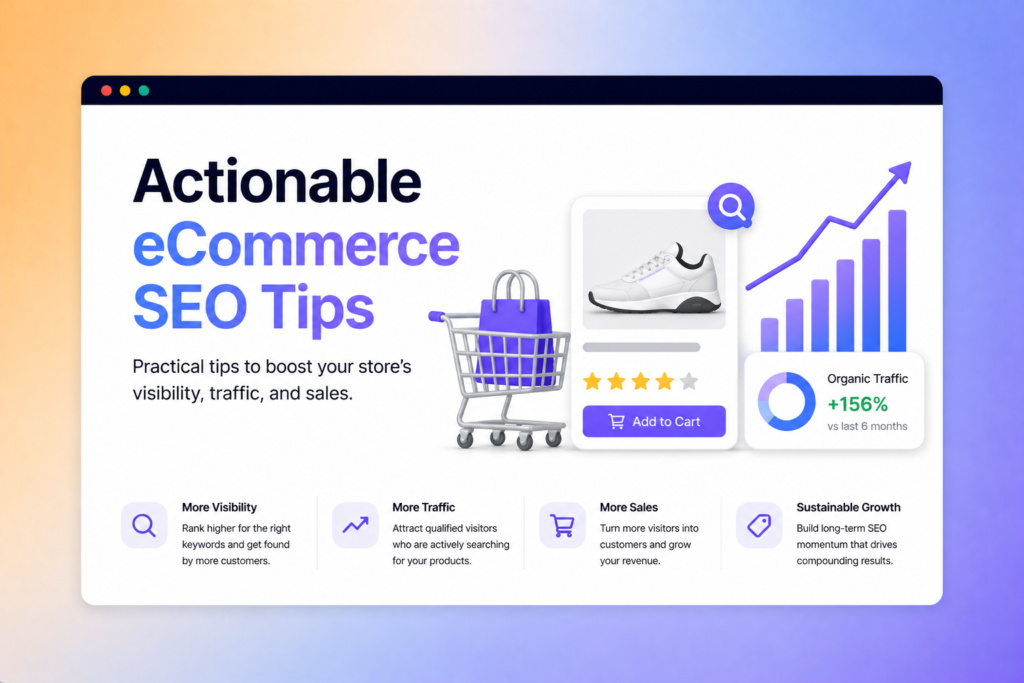
E-commerce SEO growth comes from targeting high-intent keywords, optimising product and category pages, and aligning content with purchase intent.
Build a clear site structure, improve technical performance and UX, and earn quality backlinks. Use analytics to refine strategy, focusing on actions that boost rankings, traffic, and conversions over time.
How To Run SEO Tests: A Practical Guide
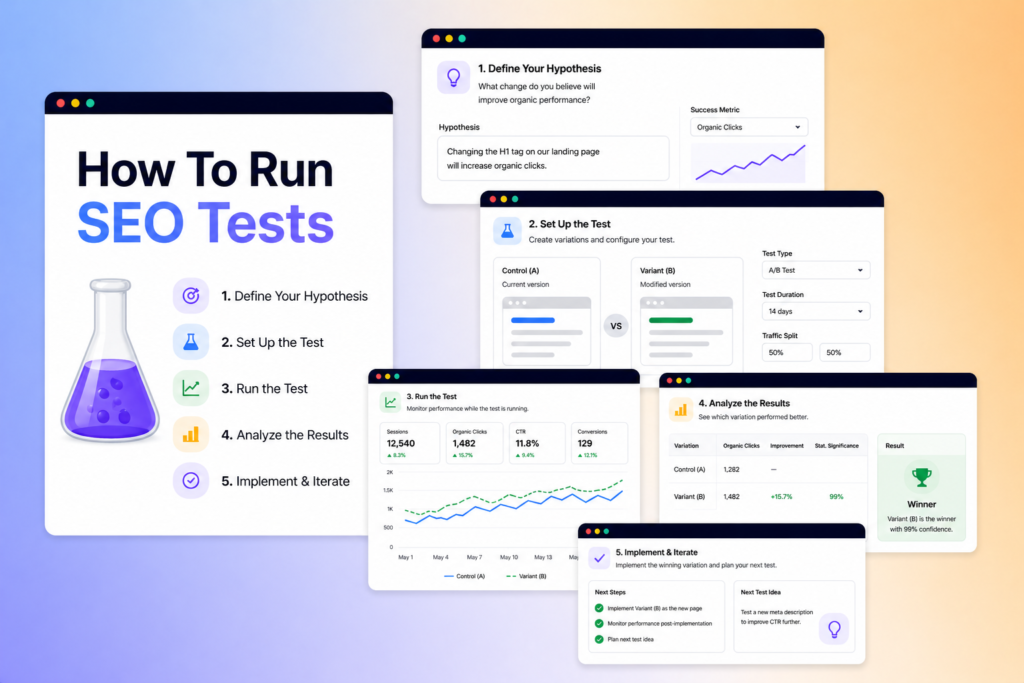
SEO testing uses controlled experiments to measure how website changes affect rankings and traffic. By forming hypotheses, comparing test and control pages, and tracking metrics over time, you identify effective optimisations. Proper design, statistical significance, and tools ensure reliable results, allowing you to scale proven strategies and avoid costly SEO mistakes.
The Biggest PPC Mistake You Can Ever Make

One of the most common and costly PPC mistakes is not properly managing or optimising your campaigns, which can quickly lead to wasted ad spend and poor results. Issues like weak targeting, poor tracking, or unclear strategy often go unnoticed, hurting performance. Regularly reviewing your campaigns, focusing on conversions over clicks, and making ongoing improvements can help ensure your ads deliver real value and better returns.
What Is Local SEO?

Local SEO is the process of improving your website’s visibility for location-specific searches, helping your business appear when nearby customers look for your services. It focuses on targeting a defined geographic area using local keywords (e.g. “service near me”) rather than broad terms. This approach ensures you reach people most likely to convert, making it especially valuable for businesses serving local communities.
SEO Agency Vs SEO Freelancer

Freelancers are often the better option for many businesses thanks to their lower costs, flexibility, and more personalised, hands-on approach, making them ideal for smaller or niche SEO projects. They typically work closely with clients and offer strong value, though they may lack the full range of skills or capacity of a larger team. Agencies, while more expensive and less flexible, provide broader expertise and resources suited to complex campaigns. Ultimately, the right choice depends on your business needs, goals, and scale.